18 Jul 2026 · Roadworthy
What is the banana trick to empty bowels?
Discover what the banana trick to empty bowels is, how it works, and whether ripe or unripe bananas are better for relieving constipation naturally.
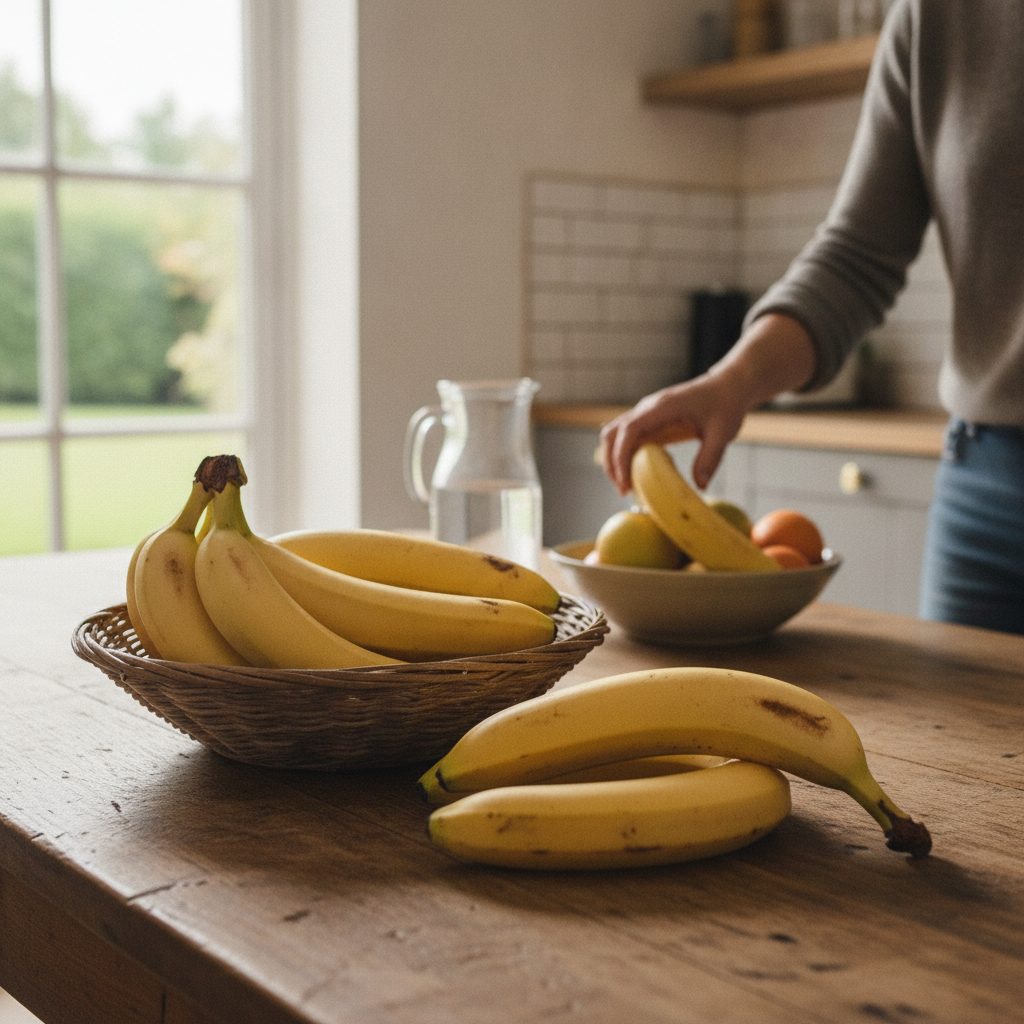
What is the banana trick?
The banana trick is a dietary method that has gained significant attention online as a natural way to relieve constipation. It involves consuming a fully ripe banana alongside a glass of warm water first thing in the morning on an empty stomach. Proponents claim this specific combination stimulates the digestive tract and encourages a swift, effortless bowel movement.
The core concept relies on timing and temperature. Drinking warm water immediately after waking helps to stimulate the gastrocolic reflex. This reflex is a physiological reaction where the act of eating or drinking signals the colon to contract and make room for new food. When combined with the high soluble fibre content of a ripe banana, the digestive system receives a gentle nudge to empty its contents.
While the trick is often presented as a miraculous secret, its effectiveness is grounded in basic digestive science. It is not a magical cure, but rather a practical combination of hydration and dietary fibre that supports the natural rhythms of the body.
Ripe versus unripe bananas: The digestion difference
To understand why this method works, it is essential to look at the colour and ripeness of the fruit. Bananas change their chemical composition dramatically as they ripen. Eating the wrong type of banana can actually have the opposite effect, worsening your constipation instead of relieving it.
Green, unripe bananas contain high levels of resistant starch. This type of starch behaves like insoluble fibre, resisting digestion in the small intestine. While resistant starch is excellent for feeding beneficial gut bacteria over time, it can slow down transit times in the short term. For someone already struggling with sluggish bowels, a green banana can act as a binding agent, making stools harder and more difficult to pass.
As a banana ripens and turns yellow, its starch converts into simple sugars, such as glucose and fructose. The fruit also develops higher concentrations of soluble fibre, particularly pectin. Soluble fibre dissolves in water to form a gel-like substance, which softens the stool and allows it to slide through the intestines more easily. Therefore, the banana trick only works if you use a yellow banana, ideally one with small brown spots on the skin.
How bananas affect bowel movements
Bananas support healthy digestion through several distinct mechanisms. Firstly, they are an excellent source of dietary fibre. A single medium banana provides approximately 3 grams of fibre, which contributes significantly to the recommended daily intake of 30 grams for UK adults. This fibre adds bulk to the stool, helping the muscles of the colon push it forward.
Secondly, bananas are rich in potassium. This essential mineral plays a vital role in muscle function throughout the body, including the smooth muscles that line the digestive tract. Low potassium levels can lead to weakened muscle contractions in the intestines, a condition that often results in sluggish digestion and constipation. Consuming potassium helps restore these contractions, encouraging regular bowel movements.
Finally, the high water content of a ripe banana helps with hydration. When the colon is dehydrated, it absorbs water from the food waste, resulting in hard stools. Consuming a moisture-rich fruit alongside warm water ensures that the stool remains soft and hydrated.
How to try the banana trick safely
If you want to try this method, consistency and correct execution are important. Follow these steps to optimise your chances of success:
- Choose the right fruit: Select a banana that is fully yellow with brown spots. Avoid any green tips or firm green patches.
- Start on an empty stomach: Consume the banana first thing in the morning, before you have eaten breakfast or drank tea or coffee.
- Prepare warm water: Pour a mug of warm water. It should be comfortable to drink, similar to the temperature of a herbal tea, rather than boiling hot.
- Eat and drink: Eat the banana slowly, chewing thoroughly, and sip the warm water alongside it.
- Wait before eating: Allow 20 to 30 minutes to pass before consuming a heavier breakfast. This gives your digestive system time to respond to the stimulation.
For those managing their daily wellness schedules, using online platforms like Rwapp can help organise habits and track routines. Monitoring your daily intake and symptoms can help you identify exactly what works for your body.
Comparing banana ripeness stages
This table outlines how different stages of banana ripeness affect the digestive system, helping you choose the right fruit for your specific needs.
| Ripeness Stage | Primary Carbohydrate Type | Effect on Bowels |
|---|---|---|
| Green (Unripe) | Resistant Starch | Slows digestion, binds stool, can cause constipation. |
| Yellow (Ripe) | Soluble Fibre and Sugars | Softens stool, aids regular bowel movements. |
| Spotted (Overripe) | Simple Sugars and Pectin | Very easy to digest, offers a mild laxative effect. |
Other proven natural remedies for constipation
While the banana trick is a helpful tool, it should be part of a broader approach to digestive health. Relying solely on one dietary trick is rarely enough to solve chronic issues. Increasing your daily physical activity is one of the most effective ways to stimulate the bowels. Even a brisk 15 to 20 minute walk after meals can encourage the muscles of the abdomen to contract naturally.
While some people seek quick fixes for their health, building long-term habits is much like acquiring any practical life skill. For instance, if you are learning to drive with professional driving schools in Downpatrick, you succeed through consistent practice rather than shortcuts. The same logic applies to your digestive tract. A steady routine of hydration, physical activity, and whole foods is far more effective than occasional quick fixes.
Other fruits can also provide excellent support for bowel regularity. Prunes are famous for their natural laxative properties, as they contain high amounts of sorbitol, a sugar alcohol that draws water into the bowel. Kiwi fruit is another fantastic option, containing an enzyme called actinidin which helps break down proteins and speeds up gastric emptying.
When to see a doctor about bowel habits
Occasional constipation is normal, but persistent difficulties require attention. If you find that you have fewer than three bowel movements a week for a period lasting longer than 2 to 3 weeks, you should consult a healthcare professional. Chronic constipation can sometimes be a sign of an underlying medical issue that requires targeted treatment.
There are also several red flag symptoms that mean you should seek medical advice immediately. These include blood in your stool, unexplained weight loss, or severe abdominal pain that does not ease after passing wind or emptying your bowels. A GP can help rule out more serious conditions and advise on safe, long-term management strategies.
Do not rely on laxatives, even natural ones, for extended periods without medical supervision. Overuse of stimulant laxatives can cause the bowel to become lazy, making it harder to pass stools without assistance in the future.
Run your whole driving school from your phone.
Get early access