22 Jul 2026 · Roadworthy
What insurance do I need as a driving instructor?
Learn what insurance you need as a UK driving instructor. Explore dual control cover, public liability, and trainee PDI rules to stay protected.
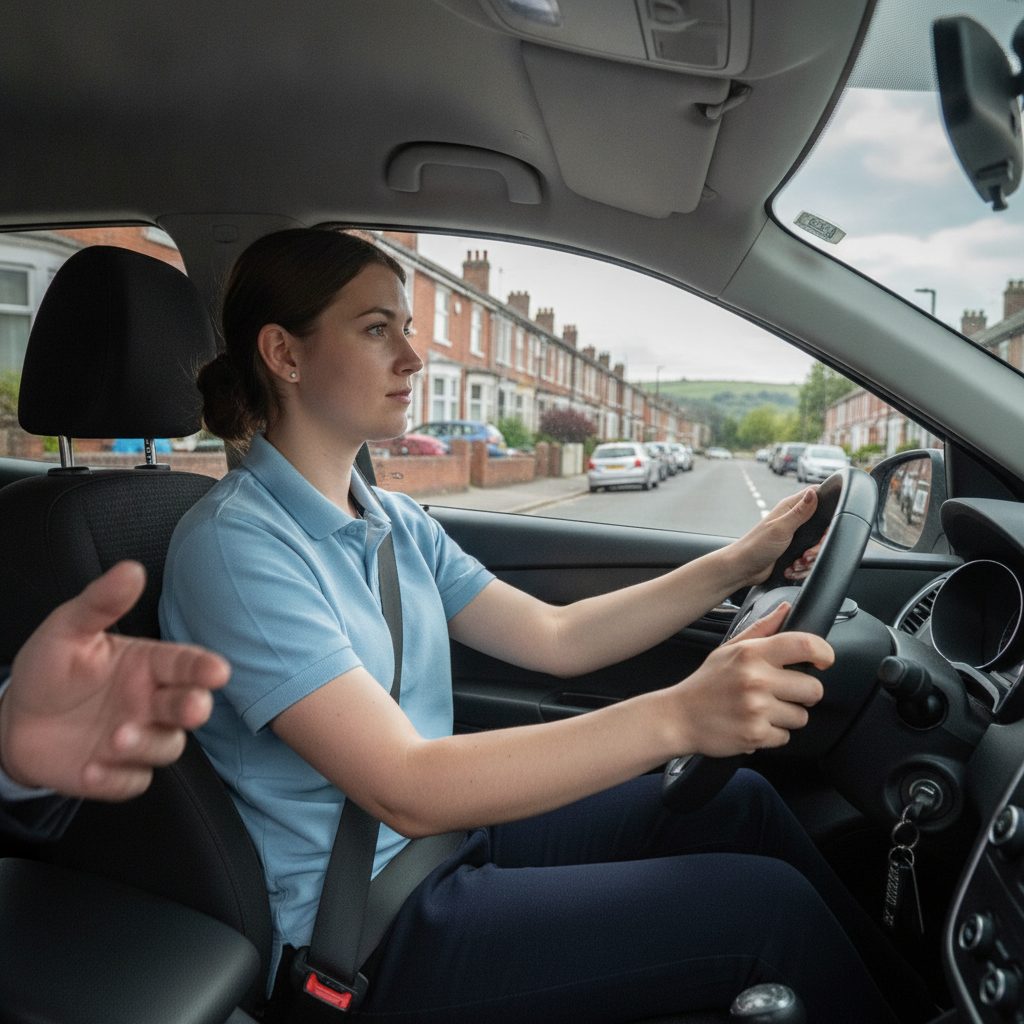
Why standard car insurance is insufficient
Private car insurance policies cover personal domestic driving, commuting, and basic business travel. They explicitly exclude paid driving instruction. If you accept payment for a driving lesson using a standard motor policy, your insurance provider will treat the contract as void from the outset. In the event of an incident, the insurer will refuse the claim, leaving you personally liable for damages.
Driving tuition presents unique hazards that regular social policies never factor into their risk calculations. Unlicensed learners lack the automatic instincts of experienced drivers, making sudden braking, incorrect lane positioning, and mirror errors frequent occurrences. Specialised instructor policies account for these specific circumstances by insuring the vehicle regardless of who sits behind the steering wheel during tuition hours.
Additionally, teaching someone to drive for financial gain falls under hire and reward rules. Operating without appropriate commercial insurance risks legal prosecution for driving without insurance. This results in six to eight penalty points on your driving licence, substantial fines, and potential removal from the Driver and Vehicle Standards Agency (DVSA) register of approved instructors.
Core insurance policies for driving instructors
To run a compliant tuition business, your motor policy must combine several specific coverage elements. A standard commercial policy alone will not provide complete protection without dedicated tuition endorsements built into the schedule.
Comprehensive driving tuition insurance forms the backbone of your business setup. This cover protects the car against accidental damage, vandalism, fire, and theft, whether you or your student is steering. Unlike ordinary personal policies, tuition policies explicitly cover pupils of varying confidence levels without requiring every student to be named individually on the certificate.
Any-driver cover for pupils allows any legally eligible student to take the wheel during a pre-booked lesson. The policy extends to cover driving tests as well. If an examiner takes control or if the pupil causes an accident during the practical test, the insurance policy responds to claims without dispute.
Dual control car insurance and replacement vehicle provision
Your tuition vehicle is your primary source of income. If your car requires workshop repairs following an accident, an ordinary hire car will not allow you to continue working. Standard rental cars lack dual controls, meaning you cannot legally or safely conduct lessons in them.
Specialist driving instructor policies include dual-control replacement vehicle provision. If your car is involved in an accident, stolen, or damaged beyond repair, the insurer provides a dual-control vehicle. Leading specialist insurers deliver these cars to your home address, ensuring your schedule remains unaffected. Instructors operating in busy urban locations like Hull or suburban routes in Bath rely heavily on replacement guarantees to prevent loss of earnings.
When selecting a policy, verify the exact terms regarding replacement cars. Some insurers only supply a dual-control vehicle for non-fault accidents, while others offer guaranteed replacement cover regardless of fault, including fire and theft scenarios.
Insurance differences for ADIs and trainee PDIs
Your qualification status directly influences the type of insurance policy you need and the rate you pay. Potential Driving Instructors (PDIs) operating under a trainee licence face different restrictions compared to fully qualified Approved Driving Instructors (ADIs).
A trainee PDI holding a pink badge is legally permitted to charge money for lessons while completing their practical training hours. However, insurers view PDIs as carrying higher overall risk because they possess less professional instructional experience. Some insurance companies charge higher premiums or impose larger policy excesses for trainee instructors working in areas such as Bury or Sale.
Once you pass your Part 3 exam and secure your green ADI badge, notify your insurer immediately. Transitioning from PDI to ADI status usually lowers your premium and opens up access to broader policy features, including lower excess tiers and enhanced breakdown cover.
Public liability and legal protection cover
While motor tuition insurance covers road incidents, it does not address incidents occurring outside the active operation of the vehicle. Driving instructors require additional business liability policies to protect against wider civil claims.
Public liability insurance protects your business if a student or member of the public suffers injury or property damage due to your business operations. For example, if a pupil trips over your bag while getting into your vehicle or suffers an injury on your premises, public liability cover pays legal defence costs and court settlements. Policies typically offer limits ranging from £1,000,000 to £5,000,000.
Legal protection cover helps recover uninsured losses following an accident that was not your fault. It covers legal fees incurred when pursuing loss of earnings, retrieving excess payments, or defending against prosecution arising from a motoring incident during a lesson.
| Policy Type | Requirement | Primary Function |
|---|---|---|
| Driving Tuition Motor Cover | Mandatory | Protects the vehicle while unpassed pupils or examiners are driving. |
| Dual Control Replacement | Essential | Provides a replacement dual-control vehicle after an accident. |
| Public Liability Insurance | Highly Recommended | Covers personal injury or property damage claims outside driving actions. |
| Legal Expenses Protection | Optional | Funds legal representation and loss-of-earnings recovery claims. |
| Off-Road / Under-17 Cover | Optional | Extends cover to students under 17 driving on private off-road sites. |
Factors that determine your insurance premium
Driving instructor insurance costs vary depending on personal, vehicle, and operational factors. On average, annual premiums range from £500 to £1,400 across the UK.
Your vehicle selection significantly alters your premium. Cars with smaller engine sizes, lower insurance group ratings, and advanced safety electronics cost less to insure. Modern dual-control cars equipped with autonomous emergency braking (AEB) systems often receive discounted quotes from specialist underwriters.
Location plays another major role. Postcodes with high traffic density or elevated theft rates generate higher quotes than quiet rural locations. Your personal driving history, accumulated no-claims discount, and total years spent as a qualified instructor also directly dictate the final price.
Practical steps to reduce your annual premiums
Managing overheads is critical for independent driving instructors and franchise operators alike. Implementing targeted risk management steps can keep your insurance costs manageable without compromising essential protection.
Fitting dashcams that record both forward-facing road views and cabin activity provides vital evidence in disputed claims. Dashcam footage quickly resolves non-fault incidents, protecting your valuable no-claims bonus. Many specialist brokers offer direct discounts ranging from 5% to 15% for approved multi-camera installations.
Increasing your voluntary excess from £100 to £300 can noticeably reduce your annual premium. However, ensure you maintain sufficient cash reserves to cover this excess if you need to make a claim. Parking your dual-control vehicle on a private driveway or inside a secure garage overnight also signals lower risk to underwriters, driving down your base quote.
Run your whole driving school from your phone.
Get early access