6 Aug 2026 · Roadworthy
Can you teach someone to drive without being an instructor?
Can i teach someone to drive without being an instructor? Learn the UK legal rules, insurance needs and key tips before sitting in the passenger seat.
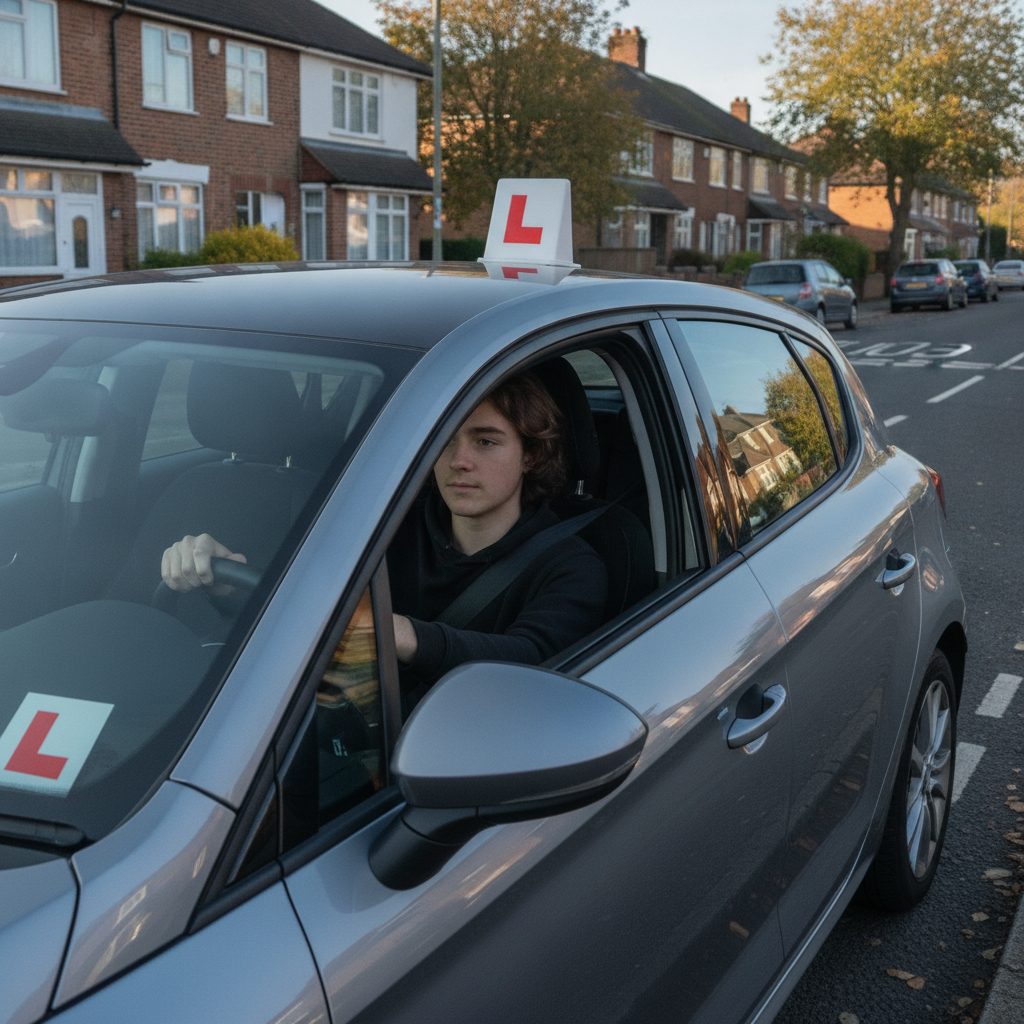
Legal requirements for supervising a learner
The Driver and Vehicle Standards Agency sets strict rules for anyone supervising a provisional licence holder. You do not need a teaching qualification, but you must satisfy several legal criteria before sitting in the passenger seat.
First, you must be at least 21 years old. Second, you must have held a full UK, European Union, or European Economic Area driving licence for a minimum of 3 years. The licence must be for the same type of vehicle you are supervising in. For instance, if you hold an automatic licence, you cannot legally supervise a learner in a manual car.
The law treats the supervisor as the person in control of the vehicle. This means you must comply with the same standards required of the driver:
- You must meet the minimum eyesight standards, which require reading a standard vehicle registration plate from a distance of 20 metres.
- You cannot use a handheld mobile phone or smart device while supervising, even when the car is stopped at traffic lights.
- You must stay below the legal alcohol limit and remain fit to drive at all times. Sleeping or drinking alcohol in the passenger seat while supervising is illegal.
Car and insurance rules you must follow
Supervising a driver in a private vehicle requires specific preparation. The vehicle itself must be fully roadworthy, registered, taxed, and hold a valid MOT certificate where applicable. Managing your vehicle documentation, tax status, and maintenance schedule through services like Rwapp ensures your vehicle stays fully compliant before taking a learner onto public roads.
Insurance is another critical legal requirement. The learner driver must be covered by a valid insurance policy for the specific car they are driving. You have two main options:
- Add the learner as a named driver to your existing car insurance policy.
- Take out a standalone provisional driver insurance policy in the learner's name.
Standalone learner policies are popular because they protect the main driver's No Claims Bonus if an accident occurs during a practice session. Always verify that the insurance policy covers private practice supervision.
Your vehicle must display red L-plates on both the front and rear of the car whenever a learner is driving. In Wales, D-plates are also acceptable. The plates must be clearly visible from a distance. You must remove or cover these plates whenever a qualified driver operates the car, unless the vehicle belongs to a driving school.
Fitting an additional interior rear-view mirror for the passenger seat costs between £5 to £15 and is strongly recommended. It gives you a clear view of traffic behind without forcing you to turn your head constantly.
Can you accept payment for private lessons?
It is illegal to accept payment or compensation for teaching someone to drive unless you are registered as an Approved Driving Instructor or hold a valid Trainee Driving Instructor licence issued by the DVSA.
Section 123 of the Road Traffic Act 1988 prohibits unapproved supervisors from charging money or receiving goods for driving tuition. Payment covers more than cash hourly fees. Accepting indirect rewards, gifts, or services in exchange for driving lessons can result in prosecution.
You are allowed to split the actual cost of fuel with the learner, provided you do not make a profit. Receiving money beyond reasonable petrol reimbursement is a criminal offence that can attract fines of up to £2,500 and penalty points on your licence.
Private practice vs professional instruction
Data from the DVSA indicates that the average learner requires around 45 hours of professional tuition combined with 20 hours of private practice to pass the practical driving test. Private practice complements professional tuition but rarely replaces it entirely.
| Feature | Approved Driving Instructor (ADI) | Private Supervisor (Friend or Family) |
|---|---|---|
| Qualifications | DVSA qualified, CRB checked, regularly assessed | Held full licence for 3+ years, aged 21+ |
| Vehicle Setup | Dual controls, extra mirrors, branded roof sign | Standard private vehicle (no dual controls) |
| Hourly Cost | £30 to £45 per hour average | Free (fuel cost contribution only) |
| Teaching Role | Teaches curriculum and modern driving techniques | Provides practice and builds road confidence |
| Motorway Driving | Permitted in dual-control cars (England, Scotland, Wales) | Strictly prohibited for provisional drivers |
Notice that learner drivers are only permitted on motorways in England, Scotland, and Wales if they are accompanied by an Approved Driving Instructor in a car fitted with dual controls. Private practice on motorways with a family member or friend remains illegal under all circumstances.
How to structure effective private practice sessions
Private practice works best when aligned with professional instruction. Ask the learner what skills they recently covered with their instructor, then build sessions around reinforcing those specific techniques.
Keep early sessions short, ideally lasting between 45 to 60 minutes. Longer sessions can cause mental fatigue and increase stress for both driver and supervisor.
Start in quiet locations such as empty industrial estates or wide car parks during off-peak hours. Once the driver masters clutch control, gear changes, and smooth braking, progress to quiet residential streets before introducing traffic light junctions and busy roundabouts.
Give instructions clearly and early. Use the 'direction, location, action' sequence. For example, say: "At the end of the road, turn right." This gives the learner time to check mirrors, signal, and adjust speed smoothly.
Common mistakes supervising drivers make
Many experienced drivers develop personal driving habits over time that do not align with current driving test standards. Passing on outdated methods can cause a learner to fail their practical exam.
Avoid teaching outdated techniques such as coasting with the clutch pedal pressed down or crossing hands over the steering wheel unnecessarily. The DVSA expects candidates to maintain complete control using the push-pull steering method and selective gear changing.
Maintaining composure in the passenger seat is essential. Shouting or showing frustration creates unnecessary stress in the cockpit. If a mistake happens, direct the learner to pull over safely at the kerb before discussing what went wrong.
Keeping your own vehicle maintained and tax-checked via platforms such as Rwapp ensures you avoid administrative oversights before setting off. Always double-check that your phone is stored out of reach so you remain fully focused on supervising the road ahead.
Run your whole driving school from your phone.
Get early access