20 Jul 2026 · Roadworthy
How to Become a Private Driving Instructor in the UK
Discover the step-by-step process to become a private driving instructor in the UK. Learn about ADI exams, trainee licences, costs, and qualification rules.
Legal Prerequisites and Requirements
Before booking any examinations, you must satisfy several strict legal criteria set by the Driver and Vehicle Standards Agency (DVSA). You must be over 21 years of age. You must also have held a full UK, European Union, or European Economic Area driving licence for at least 3 years. This period must be continuous. Any disqualifications during that timeframe will reset your eligibility.
The DVSA demands a high standard of personal conduct from applicants. You must apply for and obtain a specific enhanced Disclosure and Barring Service (DBS) check before starting your application. This check looks at your criminal record to ensure safety for pupils of all ages. If you have more than 6 penalty points on your licence, or if you have been banned from driving, your application is highly likely to be refused. The registrar reviews each application individually to decide if you are a fit and proper person.
ADI Part One: Theory and Hazard Perception
The qualification process begins with the ADI Part One test, which costs £81. This exam is significantly harder than the standard learner theory test. It consists of 100 multiple-choice questions split into 4 distinct bands of 25 questions. You must score at least 85 out of 100 overall. Crucially, you must also achieve a minimum score of 20 out of 25 in each of the 4 bands. This rule prevents you from passing if you have a major gap in one area of knowledge.
The second part of the exam is the hazard perception test. You will watch 14 video clips containing 15 developing hazards. To pass, you need to score at least 57 out of 75 points. You must pass both the multiple-choice and the hazard perception elements during the same test session to progress to the next stage.
ADI Part Two: Advanced Driving Ability
Once you pass Part One, you have a strict 2-year window to complete the remaining two exams. The ADI Part Two test costs £111 and evaluates your practical driving standards. This test lasts for approximately one hour and requires near-flawless execution of various driving tasks.
The examiner will test your eyesight first, requiring you to read a number plate from a distance of 26.5 metres. You will then face five safety questions. The driving portion includes independent driving following road signs or a sat nav, along with several precise manoeuvres. You are only allowed to make a maximum of 6 driving faults. If you commit a single serious or dangerous fault, you will fail the exam immediately. You are only allowed 3 attempts at this test before you must restart the entire process from Part One.
ADI Part Three: Instructional Ability
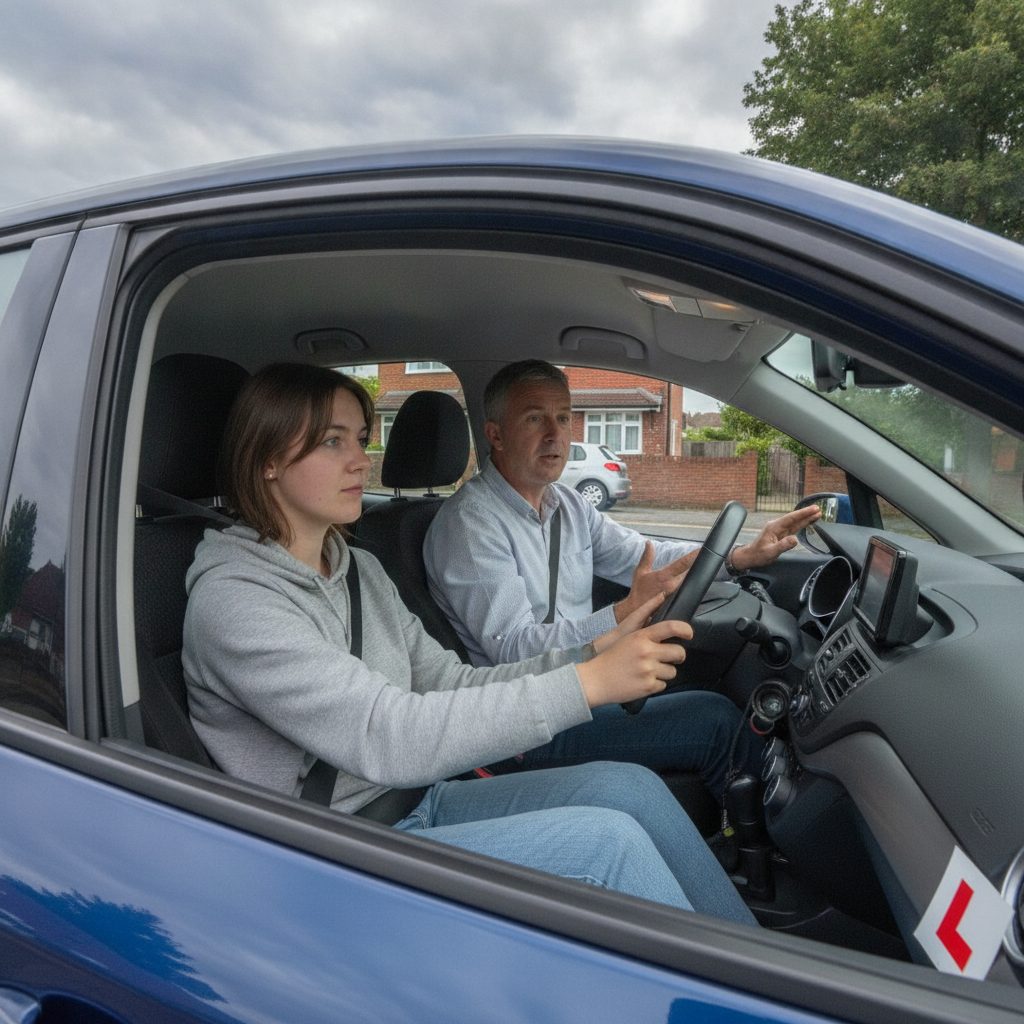
The final step is the ADI Part Three test, which also costs £111. This exam assesses your teaching capabilities. An examiner will sit in the back of your tuition vehicle while you deliver a 45-minute lesson to a real pupil. The pupil can be a complete beginner, a partly trained learner, or even a qualified driver looking to brush up on their skills.
The examiner assesses you on 17 specific competencies. These competencies cover lesson planning and risk management, alongside your chosen teaching strategies. You must show that you can adapt your teaching style to the needs of the student while keeping the drive safe. You will receive a score out of 51, with a minimum of 31 required to pass. Just like Part Two, you are limited to 3 attempts at this exam.
The Trainee Licence Pathway
To help prepare for the Part Three exam, many candidates apply for a trainee licence, commonly known as a pink badge. This licence costs £140 and is valid for 6 months. It allows you to legally charge pupils for driving lessons, giving you invaluable real-world experience before your final assessment.
To qualify for a trainee licence, you must have passed Part Two and completed at least 40 hours of structured training with a qualified ADI. You must also be sponsored by an established, DVSA-approved driving school. While on this licence, you must receive an additional 20 hours of supervision or keep a strict record of your training sessions. This pathway is highly recommended because it builds your confidence behind the dual controls in a live teaching environment.
Startup Costs and Financial Planning
Becoming an independent instructor requires upfront investment. You must budget for training fees, examinations, and vehicle preparation. The table below outlines the typical startup costs you can expect during your first year.
| Expense Category | Typical Cost Range | Frequency |
|---|---|---|
| ADI Training Course | £1,000 to £3,000 | One-off |
| DVSA Exam Fees (Parts 1, 2, and 3) | £303 to £303 | Per attempt |
| Trainee Licence (Optional) | £140 to £140 | Per 6 months |
| Dual Control Installation | £200 to £500 | One-off per vehicle |
| Specialist Instructor Insurance | £500 to £1,200 | Annually |
| ADI Registration Badge | £300 to £300 | Every 4 years |
Choosing Between an Independent Business and a Franchise
After qualifying, you must decide how to structure your business. Joining a franchise with a national or regional driving school provides a steady stream of pupils and administrative support. In exchange, you pay a weekly franchise fee, which typically ranges from £150 to £300. Some franchises also supply a fully maintained tuition car, which simplifies your initial setup.
Operating as an independent instructor gives you complete control over your working hours, lesson prices, and vehicle choice. You keep all the lesson revenue you generate. However, you are entirely responsible for finding your own pupils, managing your diary, and handling your tax returns. Instructors starting out in competitive areas like Bury or Ely often choose a hybrid approach, starting with a franchise to build confidence before transitioning to a fully independent business model.
Building Your Local Pupil Base
If you choose the independent route, local marketing is vital. You need to establish a strong online presence to attract learners. Many pupils look for instructors online, comparing reviews and pass rates before booking their first lesson. Your reputation is your most valuable asset, and positive word-of-mouth recommendations will keep your diary full.
Whether you operate in a bustling market town like Ware or a larger urban centre, utilizing digital tools can simplify your admin. Platforms like Rwapp help driving schools manage bookings, track pupil progress, and present a professional profile to prospective students. By organizing your lesson schedules and keeping accurate records, you can spend less time on administration and more time earning on the road.
Run your whole driving school from your phone.
Get early access