26 Jul 2026 · Roadworthy
How Much Can You Earn as an Independent Driving Instructor?
Discover how much you can earn as an independent driving instructor in the UK. Compare hourly rates, running costs, and realistic net income.
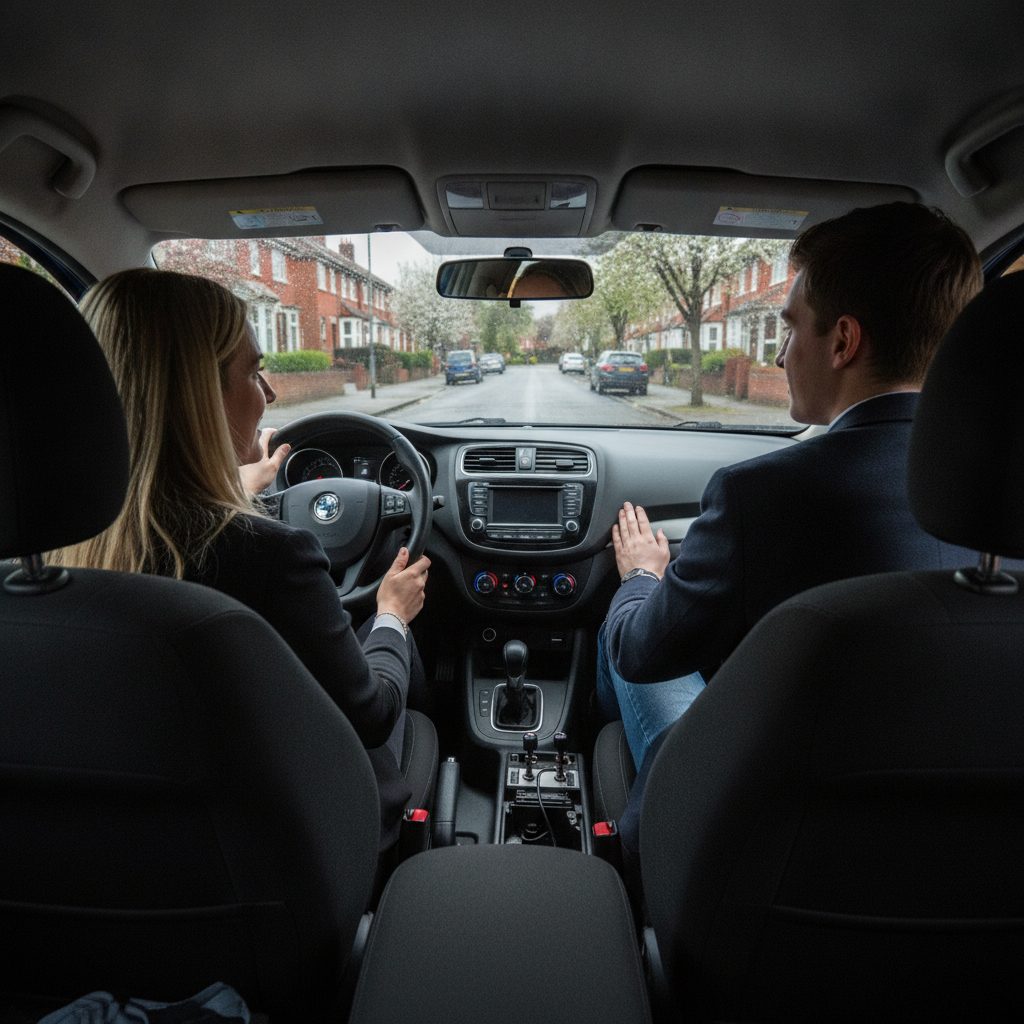
Average hourly lesson rates across the UK
Driving tuition rates across Great Britain have risen significantly over recent years due to increased vehicle costs, high fuel prices, and sustained pupil demand. Currently, the national average charge for a single hour of tuition sits between £34 to £42. However, location, transmission type, and local competition create noticeable price variations.
Instructors teaching automatic vehicles generally command higher fees, often adding £2 to £5 per hour compared to manual lessons. The higher initial purchase price and maintenance of automatic dual-control cars drive this difference, alongside a growing preference among pupils for automatic licences.
Working as an independent approved driving instructor (ADI) allows complete freedom over pricing structures. Unlike franchise instructors bound by national pricing guidelines, independent operators adjust rates instantly to reflect local demand, peak time popularity, or rising business overheads.
Gross earnings breakdown by working hours
Gross income represents the total cash collected from pupils before deducting any operational expenses, taxes, or national insurance contributions. The exact figure depends heavily on how many teaching hours you complete each week and the number of working weeks you take off annually.
Most full-time instructors aim for 25 to 35 teaching hours per week. While 40 hours inside the car is physically achievable, it leaves minimal time for travel between pupils, administration, vehicle maintenance, and personal rest.
| Weekly Teaching Hours | Hourly Rate | Weekly Gross Income | Annual Gross (48 Weeks) |
|---|---|---|---|
| 20 hours (Part-time) | £35 | £700 | £33,600 |
| 25 hours | £36 | £900 | £43,200 |
| 30 hours (Full-time) | £38 | £1,140 | £54,720 |
| 35 hours | £40 | £1,400 | £67,200 |
Calculating annual earnings over 48 weeks provides a realistic benchmark. Taking 4 weeks of unpaid holiday per year ensures you factor in time off, bank holidays, and potential downtime due to vehicle servicing or driving test cancellations.
Essential expenses and running costs
Gross figures sound attractive, but running a sole-trader tuition business requires covering substantial overheads. Understanding your true costs helps you establish profitable lesson pricing from day one.
Vehicle costs form the largest recurring expense. Whether buying outright, funding via Personal Contract Purchase (PCP), or leasing a dual-control tuition car, expect to budget £300 to £500 per month for the vehicle itself. Dual-control conversions, standard wear and tear, and frequent replacement of tyres add to this baseline.
Fuel expenses depend directly on weekly mileage and teaching style. An instructor covering 30 tuition hours along with travel time between lessons typically spends £70 to £120 per week on fuel. Driving efficient petrol hybrids or fully electric cars reduces this output substantially, though initial electric vehicle acquisition costs remain higher.
Specialist driving school insurance is mandatory. Standard private car policies do not cover paid tuition or practical driving tests. Specialist cover usually costs between £1,200 to £2,400 annually depending on your postcode, claim history, and experience. Other routine expenses include DVSA registration fees (£300 every four years), regular check tests, marketing, accountant fees, and business software tools like Rwapp to manage bookings and student progress.
Earnings comparison: Independent vs national franchise
New instructors frequently choose between joining a national driving school franchise or setting up as an independent business. Each path features a distinctly different cost model that impacts net profit.
Franchise models charge a weekly fee ranging from £100 to £300 in exchange for a supplied car, roof top box, brand recognition, and pupil bookings. While franchises reduce initial setup hassle, the ongoing fee significantly reduces your take-home pay. Over a full year, franchise fees can total £5,000 to £12,000.
Going independent eliminates weekly franchise fees completely. Every pound collected stays within your business, though you shoulder the full responsibility for sourcing pupils, building your reputation, and managing car leases. Independent instructors who build a strong local presence usually earn significantly higher net returns than franchise counterparts working equivalent hours.
Regional income variations and location factors
Geographic location directly influences both income potential and operating expenses. In affluent southern areas like Bath or parts of Surrey, instructors routinely charge £40 to £48 per hour due to high living costs and strong local demand.
In eastern towns such as Ely or northern hubs like Hull, standard rates generally range from £32 to £38 per hour. Despite lower lesson prices in these regions, overall profitability often remains balanced because lower local housing, fuel, and garage costs lower the overall cost of living.
Coastal and rural locations, including Scottish territories like Ayr, present unique conditions. Travel times between lessons in rural areas can be longer, reducing the total number of pupils an instructor can teach in a day. Successful rural instructors combat this by charging block-booking travel surcharges or establishing central meeting points near practical test centres.
Strategies to boost your net income
Increasing net earnings as an independent instructor relies on strategic schedule planning, cost reduction, and offering premium services rather than simply working more hours in the car.
- Teach automatic tuition: Transitioning to or incorporating automatic lessons lets you charge higher hourly rates while appealing to a fast-growing segment of pupils.
- Offer intensive courses: Packaging 20 to 30 hours of instruction over one or two weeks allows you to command premium block prices while reducing gaps in your schedule.
- Charge test day fees: Standard practise includes charging for a two to three-hour block on test days to cover pre-test practice, car hire during the exam, and the journey home.
- Optimise lesson geography: Grouping pupils by postcode clusters minimizes unpaid travel time and reduces weekly fuel expenditure.
- Implement strict cancellation policies: Enforcing a clear 48-hour cancellation rule protects your weekly income against lost time when pupils cancel abruptly.
By controlling overheads and maintaining a full diary through local recommendations, independent driving instructors in the UK enjoy strong financial independence alongside flexible working hours.
Run your whole driving school from your phone.
Get early access