14 Jul 2026 · Roadworthy
What is the difference between an ADI and a PDI driving instructor?
What is the difference between an ADI and a PDI instructor? Learn about the pink and green badges, training rules, and how to choose the right trainer.
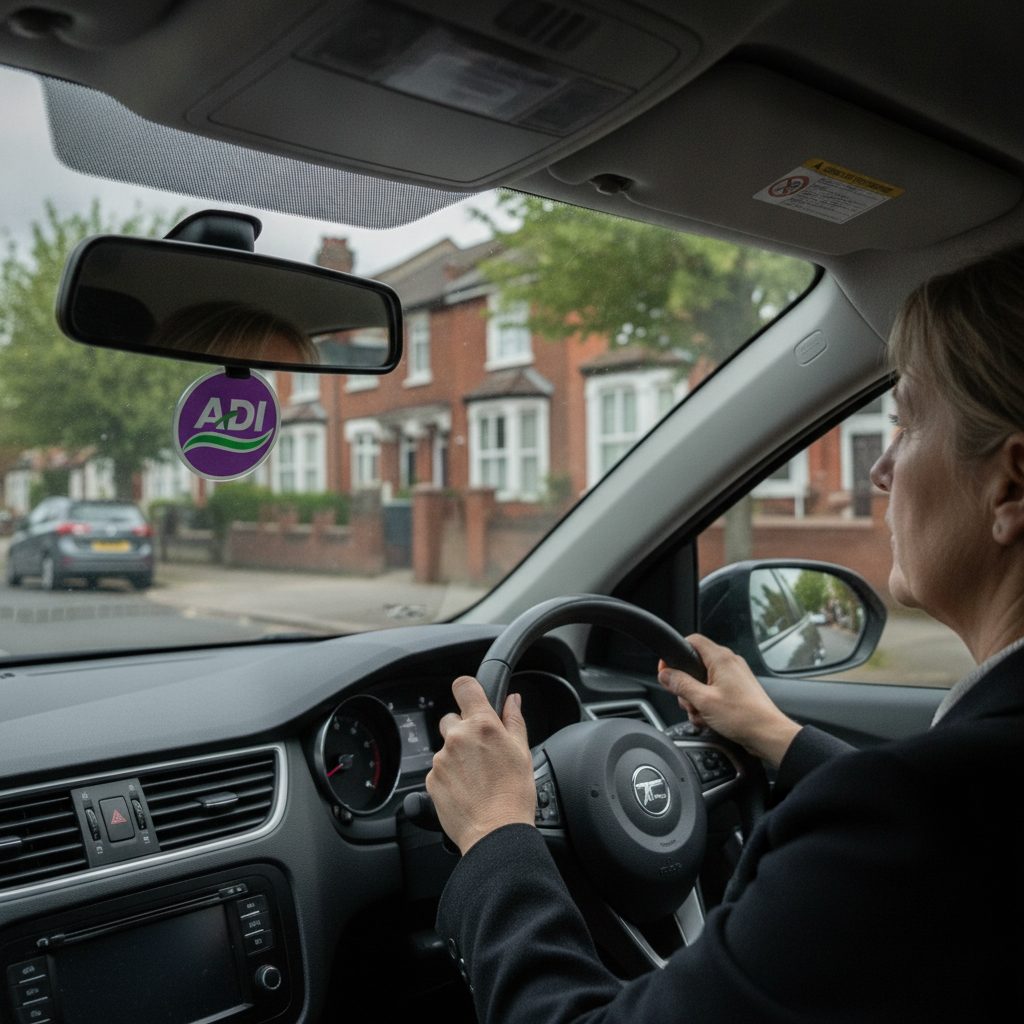
What is an ADI?
An Approved Driving Instructor (ADI) is a professional who has fully qualified to teach people how to drive. They have successfully passed all three stages of the qualifying examinations set by the Driver and Vehicle Standards Agency (DVSA). This qualification process is rigorous and requires a high level of driving skill, theoretical knowledge and instructional ability.
An ADI must display a green octagonal badge in the windscreen of their tuition vehicle during lessons. This green badge proves that the instructor is fully qualified, has undergone a criminal record check and is regularly assessed by the DVSA. Every four years, an ADI must pass a standards check to ensure their teaching remains up to the required level. This ongoing regulation gives pupils confidence that they are receiving high quality instruction.
What is a PDI?
A Potential Driving Instructor (PDI) is someone who is currently training to become an ADI. They have passed the first two qualifying tests, which cover theory and driving ability, and are preparing for the final instructional ability test. To gain practical experience before this final exam, many choose to apply for a trainee licence.
This trainee licence allows them to charge money for lessons, but they are not yet fully qualified. A PDI must display a pink triangular badge in their windscreen. This pink badge indicates to the public and the authorities that the instructor is still in training but is legally permitted to provide paid tuition under specific conditions.
Key differences: ADI vs PDI
While both types of instructor can legally teach you to drive on UK roads, their qualifications, experience levels and regulatory requirements differ significantly. The table below outlines the core distinctions between the two designations.
| Feature | ADI (Approved Driving Instructor) | PDI (Potential Driving Instructor) |
|---|---|---|
| Badge Colour | Green (Octagonal) | Pink (Triangular) |
| Qualification Status | Fully qualified | In training (Trainee licence) |
| Licence Validity | 4 years (renewable) | 6 months (limited renewal options) |
| DVSA Exams Passed | Parts 1, 2 and 3 | Parts 1 and 2 only |
| Supervision Required | None (independent) | Must be sponsored by a driving school |
Understanding the pink badge rules
The trainee licence is valid for exactly six months. It is designed to give the PDI real-world teaching practice before they sit their final Part 3 exam. However, the DVSA places strict conditions on this licence to protect learner drivers and ensure safety on the road.
A PDI cannot work completely independently. They must be sponsored by a registered driving school. This means they are often attached to established franchises or independent schools. If you are searching for driving schools, you may find that some of the available trainers are PDIs working under a local franchise. For instance, those looking for driving schools in Reading will frequently encounter a mix of green and pink badge holders operating in the local area.
Additionally, the trainee must complete at least 40 hours of practical training with a qualified ADI before they can apply for the pink badge. Once they have the badge, they must receive extra supervision. This can involve 20% of their lessons being supervised by a qualified trainer, or receiving an additional 20 hours of training while the licence is active.
The three qualifying tests
To appreciate the difference, it helps to understand the journey required to become an ADI. The qualifying process consists of three distinct parts, each designed to test a different aspect of professional competence.
Part 1 is a theory test and a hazard perception test. It is much longer and more difficult than the standard theory test that learner drivers take. Part 2 is a practical test of driving ability. The candidate must demonstrate an extremely high standard of driving, with very few minor faults permitted. Part 3 is the test of instructional ability. This is where the examiner assesses how well the candidate can teach a real pupil.
A PDI has passed Parts 1 and 2 but has not yet passed Part 3. The final exam is notoriously difficult, with pass rates often sitting between 30% to 40%. This is why the trainee licence is so valuable, as it allows the candidate to practice with actual pupils to build their instructional skills.
How to spot the badge on the windscreen
The law requires driving instructors to display their licence on the front windscreen of their tuition car when teaching for reward. This is a crucial safeguard for learner drivers, allowing them to verify the status of their instructor immediately.
The ADI badge is a green octagon. The PDI badge is a pink triangle. Both badges display the instructor's photograph, name, licence number and expiry date on the reverse side. The front of the badge, which faces outwards through the windscreen, shows the licence colour and type clearly.
Always look at the windscreen when you start your lessons. If you do not see a badge, or if the badge has expired, you have the right to ask the instructor to show it to you. Legitimate instructors will be happy to explain their qualification status and show you their credentials.
Should you choose an ADI or a PDI?
Choosing between a fully qualified instructor and a trainee involves weighing up several factors, including cost, experience and teaching styles.
PDIs are often highly motivated because they are actively preparing for their final exam. Their knowledge of the latest DVSA syllabus is fresh, and they are often very enthusiastic. They may also charge slightly less per hour, with rates often running from £30 to £38 compared to £35 to £45 for an ADI. This makes learning to drive more affordable for some pupils.
On the other hand, an ADI has proven experience. They have taught many pupils through to their driving tests and have handled a wide variety of road scenarios. They do not face the risk of failing their imminent final exam, which can sometimes disrupt a PDI's availability if they have to stop teaching. An ADI's experience can also mean they diagnose driving faults more quickly, potentially requiring fewer lessons overall to get you test-ready.
How to manage your journey to qualification
If you are a PDI yourself, managing your training schedule, pupil bookings and finances can be demanding. You have to balance learning the instructional syllabus with running a small business and preparing for your final test.
Using a dedicated platform like Rwapp can make a significant difference to your daily operations. Keeping track of lesson plans, progress records and diary bookings ensures you can focus on passing your Part 3 exam. Whether you are operating as an independent trainee or working within a school franchise, staying organised is key to transitioning from a pink badge to a green badge successfully.
Run your whole driving school from your phone.
Get early access