30 Jul 2026 · Roadworthy
Can You Be an Independent Driving Instructor?
Can you be an independent driving instructor? Yes, you can set up your own UK driving school. Discover qualification steps, costs, and profits.
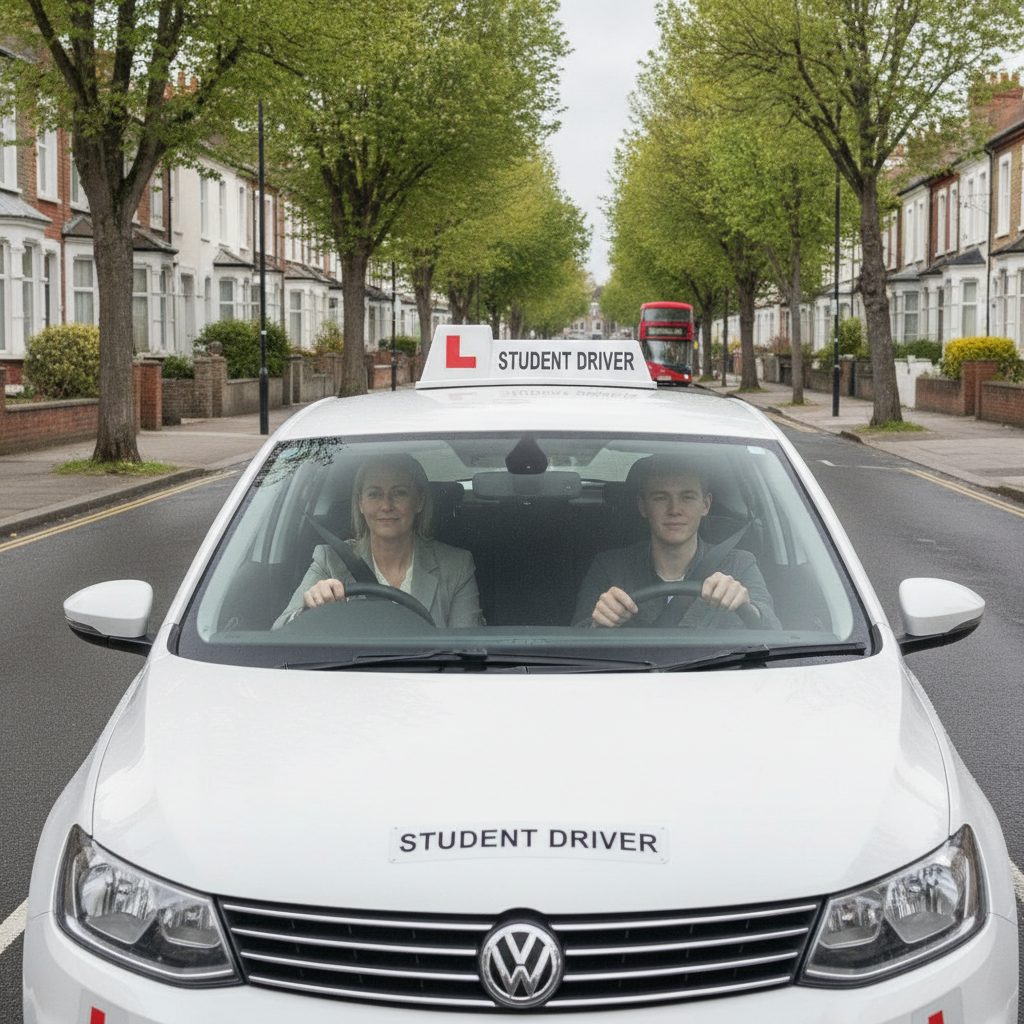
Yes, you can operate independently
You do not need to work for a national driving school to teach people how to drive in the UK. Once you complete the Driver and Vehicle Standards Agency (DVSA) qualification process, you have full legal authority to trade as an independent driving instructor. You can operate as a sole trader or establish your own private limited company.
Running an independent driving school gives you total control over how your business runs. You choose the make and model of your tuition vehicle, decide which geographical areas to cover, and set your own diary. Rather than paying hundreds of pounds each week to a corporate franchise, every pound you earn from pupils stays within your business after taxes and running costs.
Many qualified instructors begin their careers with a franchise to gain experience before going independent. Others launch their independent school immediately after passing their qualification tests. Both paths are legal, standard across the UK, and recognized by the DVSA.
How to qualify as a DVSA approved driving instructor
Before you can charge money for driving instruction, you must become an Approved Driving Instructor (ADI). The DVSA regulates this process across England, Scotland, and Wales. The qualification process involves three distinct qualifying tests, along with a criminal record check.
First, you must apply to start the ADI process and undergo an enhanced Disclosure and Barring Service (DBS) check. You must hold a full UK or European Union driving licence for at least three years, have fewer than six penalty points on your licence, and meet standard medical requirements.
- ADI Part 1 (Theory and Hazard Perception): A two-part computer exam testing your knowledge of road signs, driving theory, instructional methodology, and hazard perception skills. You must score at least 85 out of 100 on the theory section and 57 out of 75 on the hazard perception test.
- ADI Part 2 (Driving Ability): An advanced practical driving test lasting approximately one hour. You will demonstrate precise vehicle control, eco-safe driving techniques, standard maneuvers, and independent driving. You must commit no more than six minor driving faults and zero serious or dangerous faults.
- ADI Part 3 (Instructional Ability): Practical assessment of your teaching skills. A DVSA examiner observes you giving a real 45-minute lesson to a pupil. You must demonstrate effective lesson planning, risk management, and teaching strategies adapted to the pupil's learning style.
Between passing Part 2 and taking Part 3, you can apply for a Trainee Licence (often called a Potential Driving Instructor or PDI licence). This temporary licence lasts for six months and allows you to gain real teaching experience while charging pupils for lessons under the supervision of a qualified mentor.
Independent vs national franchise
Deciding between an independent setup and a franchise agreement comes down to cost, marketing independence, and administrative preference. National franchises offer immediate brand recognition and pupil referrals, but they charge significant weekly fees regardless of how many lessons you deliver.
| Feature | Independent Instructor | National Franchise |
|---|---|---|
| Weekly Franchise Fee | £0 | £150 to £300 |
| Lesson Pricing Control | 100% determined by you | Set by franchise guidelines |
| Vehicle Choice | Any suitable dual-control car | Strict brand specification |
| Pupil Sourcing | Self-managed local marketing | Provided by central call centre |
| Branding & Identity | Your custom local brand | National franchise livery |
For an instructor working in towns like Sale or Bath, local demand for driving lessons is usually high enough that paying for national call centres is unnecessary. Building a reputation locally allows independent instructors to fill their diaries without surrendering a portion of their income to a national corporate parent.
Startup and running costs for independent instructors
Launching an independent driving school requires upfront capital and careful financial planning. Training to become an ADI generally costs between £1,500 to £3,000, depending on the training provider and whether you pass each test stage on your first attempt.
Your tuition vehicle represents your largest ongoing operational expense. You can purchase a vehicle outright, buy it on finance, or enter a specialist dual-control lease agreement. Leasing a modern dual-control car typically costs between £70 to £120 per week, which usually includes routine servicing, road tax, and breakdown cover.
You must secure specialist driving instructor insurance that covers dual-control usage, pupil liability, and driving test cover. Annual premiums vary based on location and driving history, but generally fall between £800 to £1,800 per year. Additional costs include fuel, routine wear on tyres, roof signs, dual-control installation if using your own car, and business registration fees.
Setting lesson rates and finding pupils
Independent instructors are completely free to price their services according to regional demand, personal experience, and vehicle type. In major UK urban areas, hourly rates range between £35 to £45 per hour. In areas such as Hull or Ely, local pricing reflects regional economic conditions and competitor availability.
To build a steady stream of pupils without a franchise, independent instructors use several cost-effective local marketing methods:
- Google Business Profile: Setting up a free local business profile so pupils searching for local instructors find your contact details instantly on Google Maps.
- Local Social Media: Sharing pupil pass photos and driving tips on Facebook groups and Instagram pages targeted at local parents and teenagers.
- Vehicle Livery: Clear, professional magnetic signs or vinyl wrapping on your tuition vehicle featuring your phone number and web address.
- Word-of-Mouth Recommendations: Offering structured, high-quality lessons naturally leads pupils to recommend you to siblings, schoolmates, and colleagues.
Managing daily admin and pupil bookings
Going independent means taking full ownership of administrative tasks. Beyond teaching, you must handle schedule bookings, process lesson payments, manage cancellations, and track pupil progress toward the practical driving test.
Using modern driving school management tools such as Rwapp streamlines these daily operational duties. Specialized software lets independent instructors track pupil payments, automate lesson reminders, and maintain clean digital records without taking away valuable teaching hours. Clear administration prevents scheduling conflicts and ensures steady cash flow for your business.
You must also manage accounting for your sole trader status or limited company. Keeping receipt records for fuel, maintenance, insurance, and dual-control fittings makes completing your annual HMRC Self Assessment tax return straightforward.
Pros and cons of running an independent driving school
Operating independently offers distinct financial and personal rewards, though it requires self-discipline and proactive organization.
Pros:
- Higher profit margins per lesson due to zero weekly franchise fees.
- Complete autonomy over your working schedule, total weekly hours, and holiday time.
- Freedom to choose your own tuition vehicle, fuel type, and transmission.
- Ability to adjust lesson prices immediately in response to rising local costs.
- Pride in establishing a lasting local brand that belongs entirely to you.
Cons:
- Sole responsibility for attracting new pupils during quiet seasonal periods.
- No centralized support desk to handle admin or customer disputes.
- Requirement to organize alternative transport or emergency cover if your vehicle breaks down.
For most qualified ADIs, the long-term financial benefits and personal freedom of running an independent business outweigh the initial effort required to build a local pupil base.
Run your whole driving school from your phone.
Get early access