21 Jul 2026 · Roadworthy
Can you be a self-employed driving instructor?
Wondering if you can be a self-employed driving instructor in the UK? Discover the routes, costs, and steps to launch your own independent business.
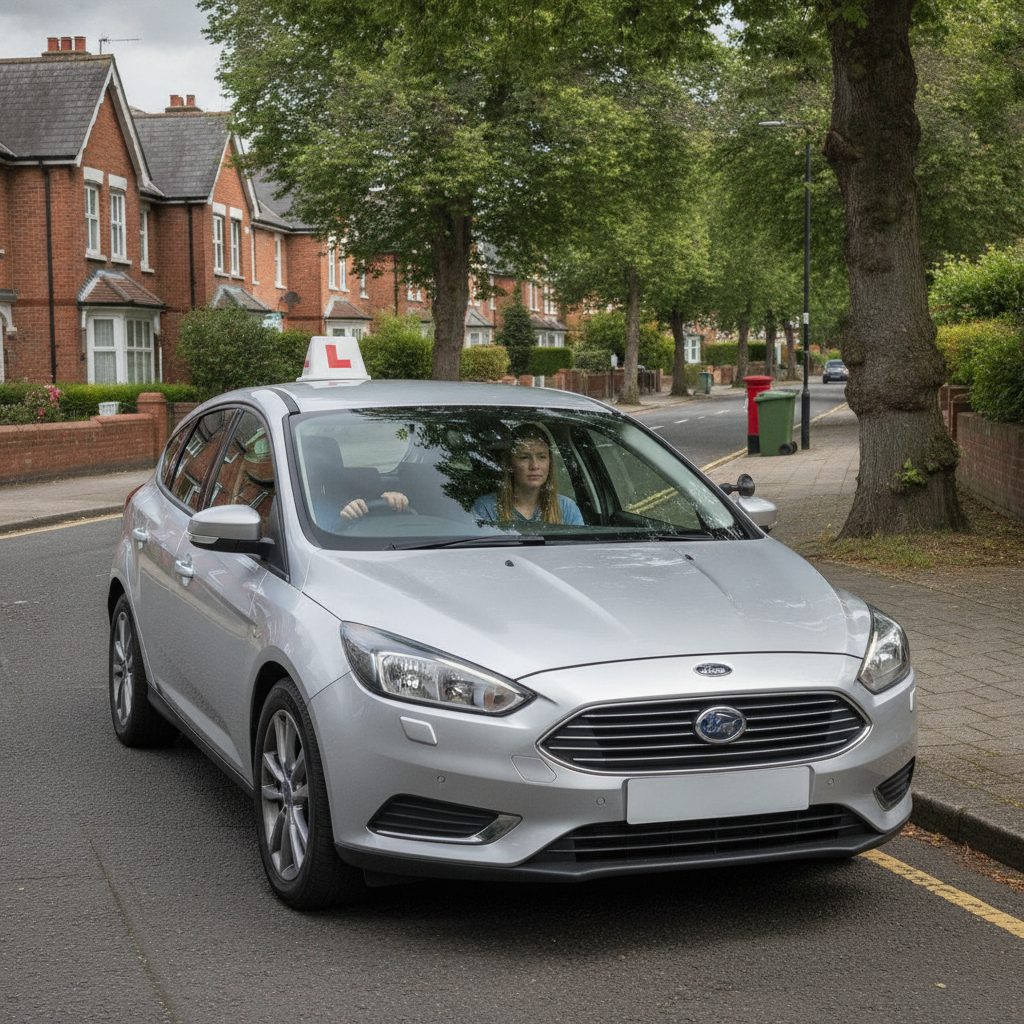
The short answer: Yes, you can
You can absolutely be a self-employed driving instructor in the UK. In fact, almost all driving instructors you see on the road are self-employed. The Driver and Vehicle Standards Agency (DVSA) regulates the qualification process and sets safety standards, but they do not employ instructors directly. Once you qualify, you must choose how to structure and run your business.
Being self-employed in this sector gives you the freedom to set your own working hours, decide your lesson rates, and select the geographic areas you want to cover. However, it also means you bear full responsibility for finding pupils, managing your finances, and keeping your vehicle in roadworthy condition.
Independent vs franchise: The two self-employed routes
If you choose to be self-employed, you must decide between operating as an entirely independent school or joining a driving school franchise. Both options classify you as self-employed for tax purposes, but they offer very different working environments.
An independent instructor operates under their own brand. They are responsible for all marketing, pupil acquisition, and administrative tasks. A franchised instructor pays a weekly or monthly fee to a larger driving school. In exchange, the franchise provides a branded car, a steady stream of pupil enquiries, and administrative support. The table below outlines the key differences between these two self-employed models.
| Factor | Independent Instructor | Franchised Instructor |
|---|---|---|
| Weekly Fees | None | £150 to £300 |
| Pupil Supply | Self-sourced marketing | Supplied by franchise |
| Vehicle Choice | Complete freedom of choice | Usually restricted to franchise model |
| Brand Control | Your own business name | National or regional brand name |
| Profit Margins | Higher per lesson | Lower due to franchise overheads |
The steps to qualify as an ADI
To teach people to drive for money, you must become an Approved Driving Instructor (ADI). The qualification process is demanding and usually takes 6 to 18 months to complete. You must pass three distinct exams set by the DVSA before you can officially join the register.
The first exam is the Part 1 test, which covers driving theory and hazard perception. This is followed by the Part 2 test, a practical exam designed to assess your personal driving ability to an expert standard. The final hurdle is the Part 3 test, which evaluates your instructional ability and coaching skills with a real pupil. Many prospective instructors choose to work on a trainee licence for a period of 6 months after passing Part 2. This allows you to gain valuable real-world experience and earn an income while preparing for your final test.
Costs, earnings, and financial realities
Your earning potential as a self-employed instructor depends on the hours you work and the local market rates. Across the UK, lesson prices generally range from £35 to £45 per hour. If you choose to work 30 to 35 hours per week, your gross income can be highly competitive. However, you must factor in significant business expenses before calculating your actual take-home pay.
Whether you teach learners in Bath or build a customer base in Hull, your overheads will remain relatively consistent. You will need to cover fuel, specialized dual-control car insurance, and regular vehicle maintenance. Dual-control tyres, clutches, and brakes wear out much faster when teaching beginners, which increases your annual maintenance bill.
Managing your diary efficiently is critical to keeping costs down. Empty slots between lessons waste fuel and time. Many independent instructors use specialized tools like Rwapp to manage bookings, handle pupil payments, and minimize gaps in their daily schedules.
Managing your tax and legal responsibilities
As a self-employed business owner, you must register as a sole trader with HM Revenue and Customs (HMRC). This must be done as soon as you start earning money from lessons. You are responsible for calculating your own income tax and National Insurance contributions through the annual Self Assessment process.
The main benefit of being a sole trader is the ability to claim allowable business expenses. You can deduct the cost of fuel, car repairs, marketing, and even a portion of your home phone bill if you use it for business admin. You must keep organised records of every receipt and invoice for at least 5 years after the tax deadline.
You must also ensure you have the correct insurance policies in place. Standard car insurance does not cover paid driving tuition. You will need specialist ADI insurance that includes public liability cover and professional indemnity cover to protect your business against claims.
The pros and cons of going fully independent
Operating your own independent driving school offers ultimate freedom, but it comes with distinct challenges. Sourcing pupils in highly competitive areas like Bury requires consistent marketing effort and a strong local reputation. When you are fully independent, you must handle your own website, social media, and local advertising.
On the positive side, you keep every penny of your lesson fees after expenses, rather than handing a large chunk to a franchise parent company. You also have the freedom to choose your own tuition vehicle, rather than being forced to lease a specific model mandated by a national school franchise.
Ultimately, the choice to go fully independent or join a franchise depends on your business experience and your appetite for risk. Many instructors start with a franchise to gain experience and build confidence, before transitioning to a fully independent business model once they have established themselves in their local area.
Run your whole driving school from your phone.
Get early access