15 Jul 2026 · Roadworthy
Can an ADI Sponsor a PDI? UK Trainee Licence Rules Explained
Wondering if an ADI can sponsor a PDI? Learn the strict DVSA rules, the one-to-one ratio, and how independent instructors can set up sponsorship.
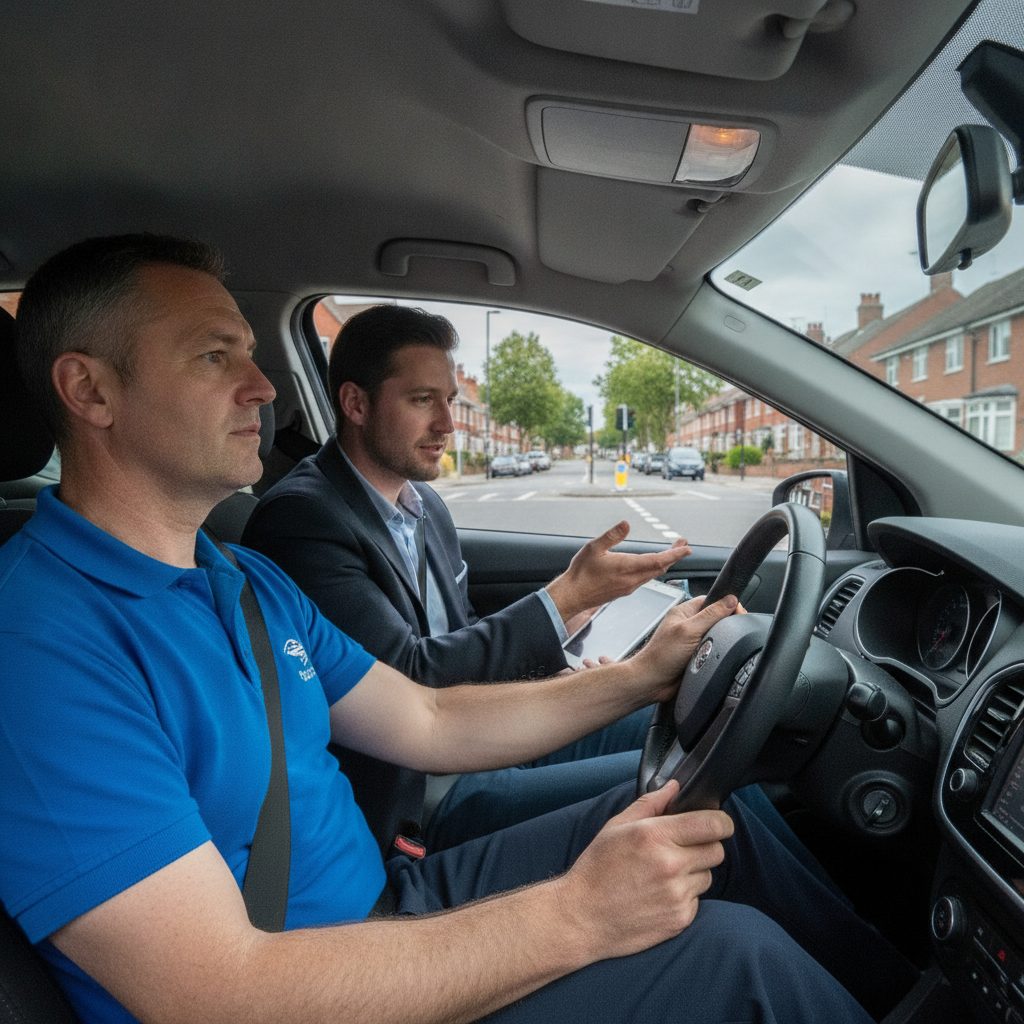
Can an individual ADI sponsor a PDI?
An Approved Driving Instructor (ADI) cannot sponsor a PDI in their personal, individual capacity. The DVSA rules state that a sponsor must be a registered driving school. However, if you are an independent ADI who operates your own driving school business, you can act as a sponsor under that business name. This applies even if you are a sole trader, provided you meet the criteria of running a legitimate school that can offer pupil bookings and professional development.
To sponsor a candidate, your driving school must have been established and actively operating. You cannot set up a temporary shell business purely to bypass the training regulations. The DVSA monitors these arrangements closely to ensure that trainees are receiving genuine, high-quality preparation for their qualifying examinations.
If you run a local business, perhaps managing a small group of instructors in Berkshire, you can use modern business management tools to coordinate this training. Sponsoring a trainee is a great way to grow your team, but you must ensure your administrative systems are prepared for the extra compliance. Using platform tools like Rwapp can help keep lesson schedules, pupil records, and financial agreements organised during this growth phase.
Understanding the trainee licence (pink badge)
The trainee licence, commonly known as the pink badge, allows a PDI to charge money for driving lessons before they pass their final Part 3 instructional ability test. It is designed to give candidates practical experience with real pupils. This licence is valid for exactly six months, and it is tied directly to the sponsoring driving school named on the application.
A PDI cannot work independently on a trainee licence. They are legally bound to the sponsoring school and must display the pink badge in their windscreen during all lessons. If the trainee leaves the school, the licence becomes invalid immediately. The trainee must return the badge to the DVSA and apply for a replacement if they find a new sponsor.
The pink badge is not a mandatory step to becoming an ADI, but many find it invaluable. It provides a realistic understanding of running a diary and managing pupil progress. However, because the trainee is charging members of the public, the DVSA enforces strict oversight to maintain road safety standards.
The strict one-to-one ratio rule
The DVSA enforces a strict one-to-one ratio rule for trainee licences. A driving school must have at least one fully qualified ADI for every PDI they sponsor. If you are an independent instructor running a school where you are the sole ADI, you can only sponsor one PDI at any given time.
This rule prevents large-scale exploitation of cheap trainee labour. It ensures that every PDI has access to adequate mentorship and supervision. If your school has three fully qualified ADIs, you can legally sponsor up to three PDIs simultaneously.
If an ADI leaves your school, dropping your ratio below the required limit, you must notify the DVSA. Failing to maintain this ratio can result in the immediate revocation of the trainee's licence. It can also lead to an investigation into your school's registration status.
Obligations of the sponsoring driving school
Sponsoring a PDI is a serious commitment that goes far beyond signing a form. The sponsoring school owner must sign the ADI 21T declaration form, legally binding themselves to provide proper supervision and training. The school must ensure the PDI is fully prepared for their career and does not pose a risk to road users.
The sponsoring school must guarantee that the PDI has access to a dual-controlled car that is clean, roadworthy, and properly insured for tuition. Standard driving school insurance does not always cover trainee instructors, so you must contact your broker to arrange specific PDI cover. This insurance can cost anywhere from £500 to £1200 more per year than standard ADI cover.
Additionally, the school must provide a steady flow of pupils to ensure the PDI can gain the experience they need. If you are operating a small local business, perhaps coordinating lessons with a partner school in areas like Reading, you must ensure your local pupil demand is high enough to support both your qualified instructors and the new trainee.
Training and supervision requirements
Before a PDI can apply for their pink badge, they must complete a minimum of 40 hours of practical training with a qualified ADI. This training must cover all aspects of the DVSA syllabus and must be documented on the ADI 21AT form. The training must be completed within the six months prior to the licence application date.
Once the trainee licence is granted, the sponsoring school must choose one of two supervision options to complete during the first 12 weeks of the licence:
- Option One: The PDI must receive an additional 20 hours of peer-to-peer training from a qualified ADI while the licence is active.
- Option Two: The PDI must be supervised by a qualified ADI for at least 20% of all the lessons they deliver to pupils.
Whichever option you choose, detailed records must be kept. The DVSA can demand to see these training logs at any time. If a PDI is found to be teaching without the required training or supervision being logged, their licence will be revoked, and the sponsoring ADI may face disciplinary action.
Franchise vs independent sponsorship
For a PDI, choosing between a national franchise and a small, independent sponsor is a major decision. Both paths have distinct advantages and drawbacks. Sponsoring a PDI as an independent school requires a high level of personal dedication, whereas national franchises rely on structured, corporate programmes.
| Feature | National Franchise Sponsorship | Independent ADI School Sponsorship |
|---|---|---|
| Weekly Franchise Fees | High (£150 to £300 per week) | Low to moderate (£50 to £100 per week) |
| Mentorship Style | Standardised corporate training modules | Personalised, one-to-one hands-on support |
| Pupil Supply | Large national marketing reach | Local reputation and organic word-of-mouth |
| Contract Flexibility | Often requires a 12 to 24 month tie-in | Highly flexible, informal, or short-term agreements |
Independent ADIs who sponsor trainees often build much stronger professional relationships. However, they must be realistic about their ability to supply pupils and find time for the mandatory 20 hours of extra training. National schools have dedicated booking offices, but their high weekly fees can put immense financial pressure on a trainee who is still building up their skills.
How to apply for a trainee licence with a sponsor
The application process for a trainee licence requires close cooperation between the PDI and the sponsoring school. First, the PDI must have passed their Part 1 (theory) and Part 2 (driving ability) tests. They must also have completed the initial 40 hours of training with their sponsor.
Once these conditions are met, the PDI can apply online or via post using the ADI 3T application form. The sponsoring ADI must fill out and sign the section confirming they will employ or contract the PDI and provide the required supervision. The current DVSA fee for a trainee licence is £140.
After submission, the DVSA will process the application and, if approved, mail the pink badge to the sponsoring school's registered address. The trainee can then begin booking lessons and charging pupils, always keeping their training logs fully up to date as they prepare for the final Part 3 exam.
Run your whole driving school from your phone.
Get early access