19 Jul 2026 · Roadworthy
Should you eat a banana before your driving test?
Are you supposed to eat a banana before a driving test? Discover the science behind this popular UK test-day superstition and how it helps calm your nerves.
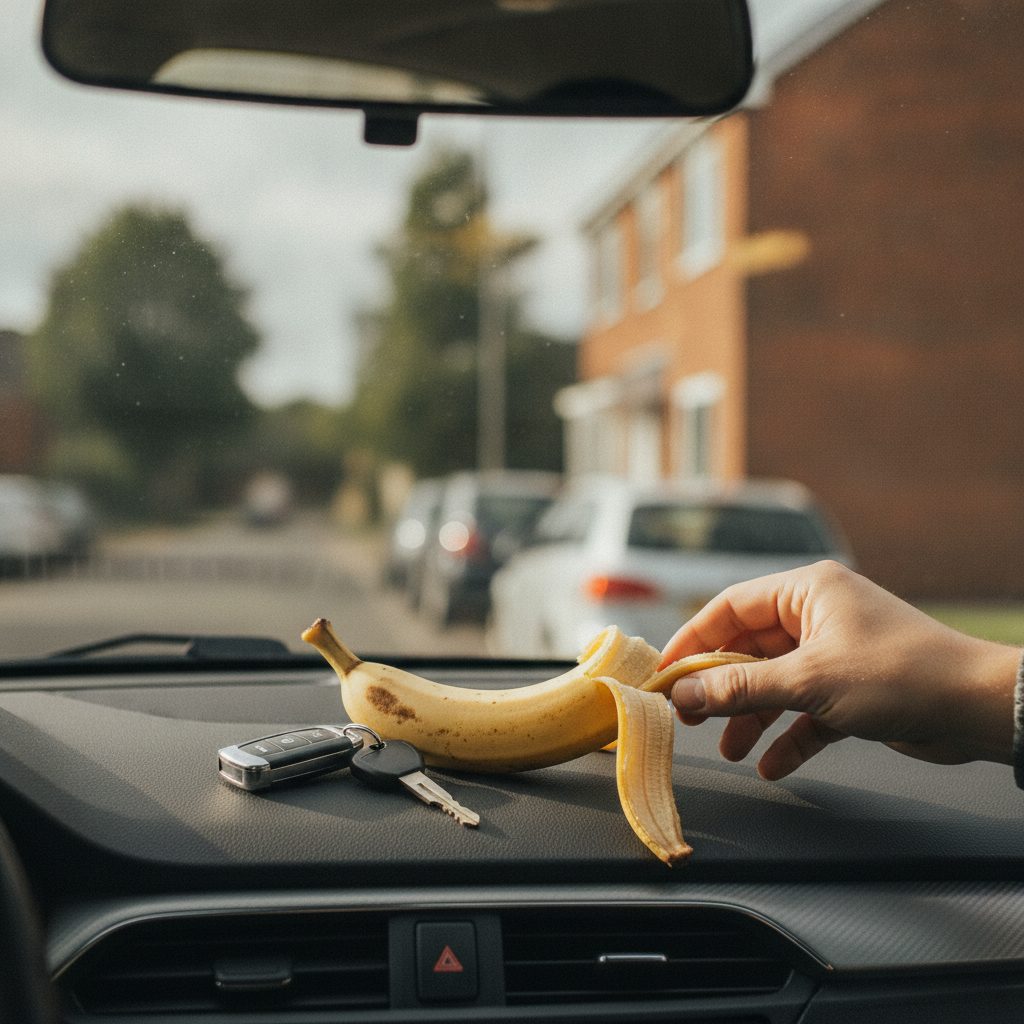
The origins of the driving test banana myth
For decades, driving instructors across the UK have passed down a specific piece of advice to nervous pupils. They tell them to pack a banana in their bag on the morning of their test. This recommendation has become so common that it is practically a rite of passage for learners. But where did this idea come from, and is there any truth to it?
The advice originated in the driving school community as a simple, natural remedy for the physical symptoms of anxiety. Instructors noticed that pupils who arrived at the test centre on an empty stomach, or high on sugar, frequently struggled with concentration. Over time, the banana emerged as the ultimate pre-test snack, praised for its ability to steady shaking hands and keep minds sharp during the 40-minute drive.
The science: how bananas help your brain and body
To understand why this fruit is so highly recommended, you have to look at its nutritional composition. Bananas are not just a convenient source of energy: they are packed with specific vitamins and minerals that directly affect your nervous system and cognitive function.
First, bananas are rich in potassium. This essential mineral helps regulate your heart rate and control your blood pressure. When you are stressed, your metabolic rate rises and your potassium levels tend to drop. Replenishing this mineral helps keep your heart rate steady, reducing the physical sensation of fluttering nerves in your chest.
Second, they contain a high amount of vitamin B6. This vitamin plays a crucial role in producing serotonin and dopamine, the brain chemicals responsible for regulating mood and stress. A healthy dose of vitamin B6 can promote a sense of calm, allowing you to focus on the road ahead rather than your internal panic. Finally, they contain tryptophan, an amino acid that the body converts into serotonin, further aiding relaxation.
Managing practical test anxiety and brain fog
Anxiety does strange things to the human body. When your brain perceives the driving test as a threat, it triggers a fight-or-flight response. Your adrenaline spikes, your hands might start to shake, and your field of vision can actually narrow. This makes it incredibly difficult to spot hazards, read road signs, or make quick decisions at busy roundabouts.
Instructors working with learners in busy areas, from the test routes of Nuneaton to the narrow streets of Leatherhead, consistently report that nerves are the primary reason for silly mistakes. A candidate who has driven perfectly for weeks might suddenly pull out in front of another vehicle because their brain is overwhelmed by stress.
Eating a banana helps combat the physical side effects of this adrenaline rush. The slow-release carbohydrates provide a steady stream of glucose to your brain. This prevents the sudden drop in blood sugar that leads to brain fog, confusion, and irritability. Instead of reacting slowly to a developing hazard, your mind remains alert and capable of processing complex road situations.
The ideal timeline: when should you eat it?
Timing is everything when it comes to pre-test nutrition. Eating a banana too early means the benefits will have worn off by the time you meet your examiner. Eating it too late might leave you feeling bloated or uncomfortable during your manoeuvres.
The ideal time to eat your banana is roughly 30 to 45 minutes before your test start time. This gives your body enough time to digest the fruit and absorb the nutrients into your bloodstream. If you have a warm-up drive with your instructor before the test, eating the banana just before you head to the test centre is usually the perfect window.
To help you plan your pre-test nutrition, here is a quick comparison of common snacks that learners often consider before their exam:
| Snack Option | Energy Release Rate | Impact on Anxiety | Convenience Rating |
|---|---|---|---|
| Banana | Steady and sustained | Helps calm nerves | High (no prep needed) |
| Energy Drink | Very rapid spike | Increases heart rate and jitters | High |
| Oat Porridge | Very slow and long-lasting | Neutral | Medium (requires cooking) |
| Sweets / Chocolate | Fast spike and sudden crash | Can worsen anxiety symptoms | High |
Alternative snacks for driving test day
Not everyone enjoys bananas. If you dislike the taste or texture, you do not have to force yourself to eat one. There are plenty of other healthy alternatives that offer similar nutritional benefits without causing digestive discomfort.
Oat-based snacks are an excellent alternative. A simple flapjack or a small bowl of porridge provides the same slow-release energy, keeping your blood sugar stable throughout the drive. Nuts and seeds, particularly almonds and pumpkin seeds, are also fantastic choices. They are rich in magnesium, which is highly effective at regulating cortisol levels and keeping your nervous system calm.
Whether you are taking your test in coastal towns like Great Yarmouth or heading out into the busier urban environments of the UK, staying hydrated is just as important as eating. Dehydration can cause mild headaches and reduce your reaction times by several milliseconds. Drink plenty of water in the hours leading up to your test, but avoid drinking large quantities right before you sit in the car to avoid needing an awkward bathroom break mid-test.
The psychology of pre-test rituals and focus
Beyond the purely chemical benefits of potassium and vitamins, there is a powerful psychological element to eating a banana. Human beings find comfort in routines and rituals, especially when facing a high-stress situation like a practical driving exam.
By consciously choosing to eat a banana because you know it is supposed to help, you activate the placebo effect. This mental shift can be incredibly powerful. It gives you a sense of control over your body and your nerves, changing your mindset from one of worry to one of preparation.
When you prepare for your test with a professional instructor, such as those you can find through Rwapp, they will often talk to you about mental preparation. Treating the banana as your secret weapon can help you enter the test centre with a positive, focused attitude. It becomes a physical cue that tells your brain it is time to perform.
Essential physical preparation beyond what you eat
While nutrition plays a significant role in how you feel on test day, it is only one part of the puzzle. To give yourself the absolute best chance of passing, you need to look at your physical preparation as a whole.
Getting a good night of sleep before your test is paramount. Aim for 8 to 9 hours of rest so your brain is fully recharged. Fatigue has a similar effect on your driving ability as alcohol, slowing down your reactions and clouding your judgment. Avoid staying up late to study theory or watch dashcam videos on social media: at this stage, your brain needs rest more than extra information.
Finally, think about what you wear. Choose comfortable, loose-fitting clothing that does not restrict your movement when you are checking your mirrors or turning your head at junctions. Wear flat, sensible shoes with thin soles so you can feel the pressure of the pedals clearly. Avoid thick-soled boots or heavy heels that make smooth clutch control difficult. By combining the right physical prep with a healthy pre-test snack, you will set yourself up for a confident, successful drive.
Run your whole driving school from your phone.
Get early access